When something goes wrong with your home’s sewer line, the first question is rarely “how do I fix this” — it’s “how fast do I need to fix this.” Knowing the difference between a true emergency sewer repair and a situation that allows for planned sewer replacement can save you thousands of dollars and a lot of unnecessary stress.
Signs You’re Facing a True Emergency
An emergency sewer repair is warranted when the problem is actively affecting your home right now. Watch for:
- Sewage backing up into tubs, toilets, or floor drains
- Strong sewage odor inside the house
- Standing water or sinkholes forming in the yard
- Multiple drains clogging at the same time
These symptoms point to a sewer lateral that has failed to the point of active malfunction, and waiting will only allow contaminated water to cause further damage to floors, walls, and belongings.
Signs You Have Time to Plan
Not every issue needs a same-day crew. If you’re noticing slow drains, occasional gurgling, or a minor odor that comes and goes, you likely have a developing problem rather than an active failure. This is the ideal window to schedule a camera inspection through your clean out and make an informed decision about repair versus sewer replacement — on your timeline, at standard rates, with time to compare options.
Why a Clean Out Changes Your Options
Having an accessible clean out is what makes the “plan ahead” path possible in the first place. It allows a technician to run a scope through the line, pinpoint the exact location and severity of the damage, and recommend a fix before the situation escalates into an emergency sewer repair. Homes without a functioning clean out often lose this early-warning opportunity entirely, since problems go undetected until they surface as backups.
When Repair Isn’t the Right Call
Sometimes what looks like an emergency is actually the final symptom of a lateral that’s been deteriorating for years. If inspection reveals a collapsed section, extensive root intrusion along multiple points, or outdated pipe material near the end of its lifespan, sewer replacement — not another patch — is the responsible long-term fix. Repeated spot repairs on a failing sewer lateral tend to cost more over time than addressing it fully once.
Don’t Forget Compliance Requirements
If your property is heading toward a sale or refinance, keep in mind that both routine repairs and full replacements can affect your EBMUD certification status. Similarly, any excavation work near the property line should be coordinated with sidewalk requirements, since damage or repairs there may need a sidewalk certificate before the work is considered complete.
Cost Differences Between Emergency and Planned Work
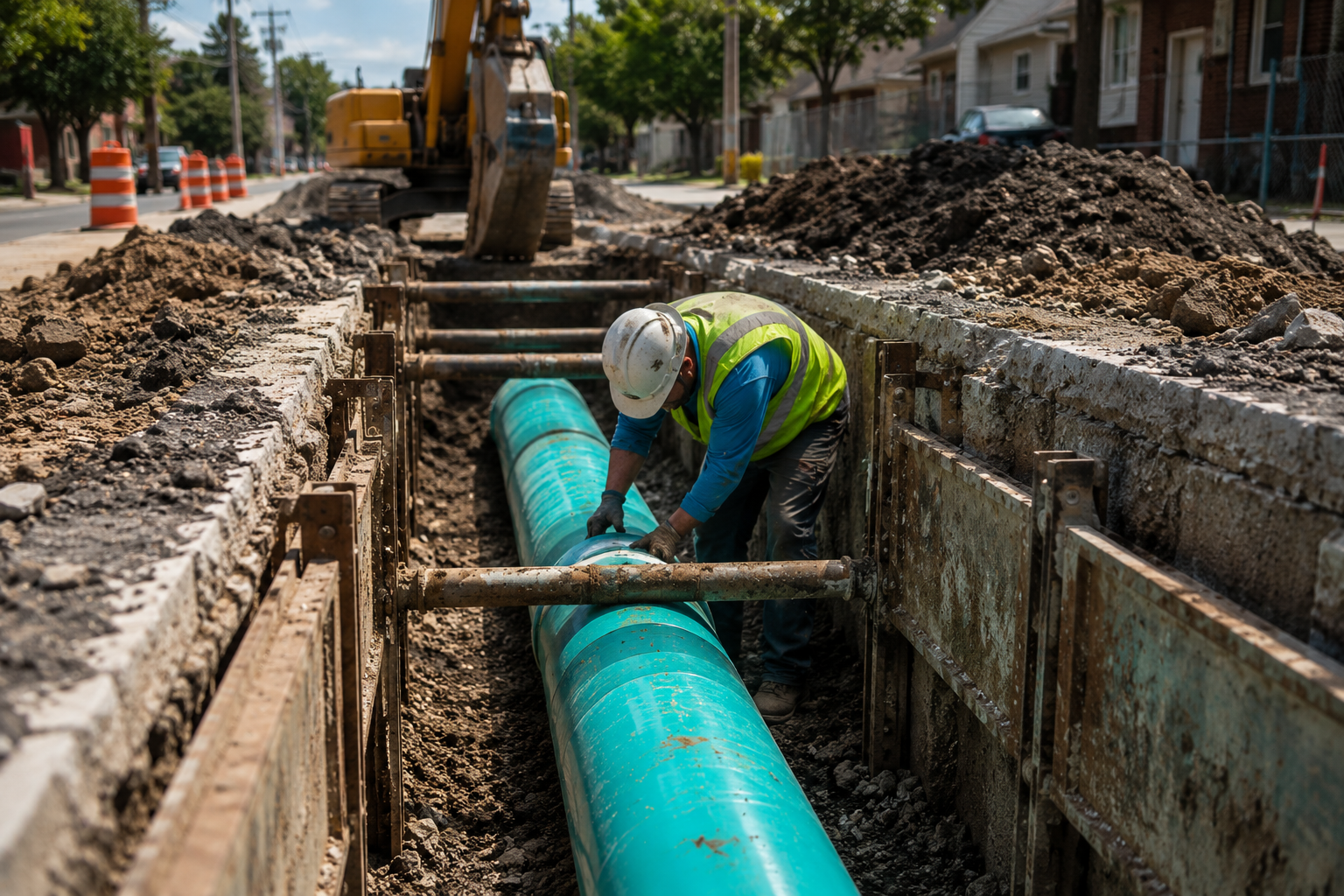
The price gap between an emergency sewer repair and a scheduled repair is one of the biggest reasons to catch problems early. Emergency calls often involve after-hours rates, rushed excavation, and limited access to specialized equipment on short notice. A planned sewer replacement, on the other hand, allows contractors to source materials in advance, choose the most efficient method — such as trenchless replacement instead of full excavation — and complete the job during standard business hours at standard rates.
Beyond labor costs, emergencies also tend to cause secondary damage that a planned project avoids entirely: water-damaged flooring, drywall repairs, and even mold remediation if a backup goes unnoticed for more than a day. When you factor in these hidden costs, a proactive inspection through your clean out almost always pays for itself.
Quick FAQ
How often should I have my sewer lateral inspected?
Most plumbers recommend a camera inspection every 2–3 years, or sooner if your home has mature trees near the line or a history of clogs.
Can a clean out be added if my home doesn’t have one?
Yes. Installing a clean out is a relatively minor project compared to the access problems it prevents down the road, and it’s often required before certain inspections or certifications can be completed.
Making the Right Call
If sewage is actively entering your home, treat it as the emergency it is and call for emergency sewer repair immediately. If you’re seeing early warning signs and have a working clean out, take the time to get a proper inspection and decide between repair and sewer replacement with full information — not under pressure.