If you’re preparing to sell a property in Oakland or the surrounding East Bay area, two documents can make or break your closing timeline: the EBMUD certification and the sidewalk certificate. Neither is optional in many municipalities, and both depend directly on the condition of your sewer lateral.
What Buyers and Lenders Are Actually Checking For
An EBMUD certification confirms that the sewer lateral connecting the home to the municipal system meets current standards and is free of major defects like root intrusion, cracks, or collapse. Lenders and title companies often require this document before funds are released, which means a failed inspection can delay — or completely derail — a scheduled closing date.
The sidewalk certificate, meanwhile, verifies that the public sidewalk and curb adjacent to the property are free of trip hazards, heaving, or damage often caused by tree roots or a failing lateral. Cities frequently link this certification to the same escrow window as sewer compliance, so both should be addressed together rather than as separate, isolated tasks.
How a Sewer Lateral Problem Threatens Your Timeline
Since both certifications hinge on the health of the sewer lateral, a single underlying issue can jeopardize two separate compliance requirements at once. A cracked pipe segment might fail the EBMUD certification inspection while root intrusion from the same area is what’s lifting the sidewalk slab next door — meaning one root cause can create two separate closing delays.
Getting Ahead of It: Inspection Before Listing
The sellers who avoid last-minute scrambles are the ones who schedule a camera inspection and lateral evaluation before listing the property, not after an offer is already in hand. This gives you three real advantages:
- Time to complete repairs on your own schedule instead of under escrow pressure
- The ability to negotiate from a position of strength rather than concede a credit
- A cleaner report to hand directly to buyers and their agents
What If a Clean Out Isn’t Accessible?
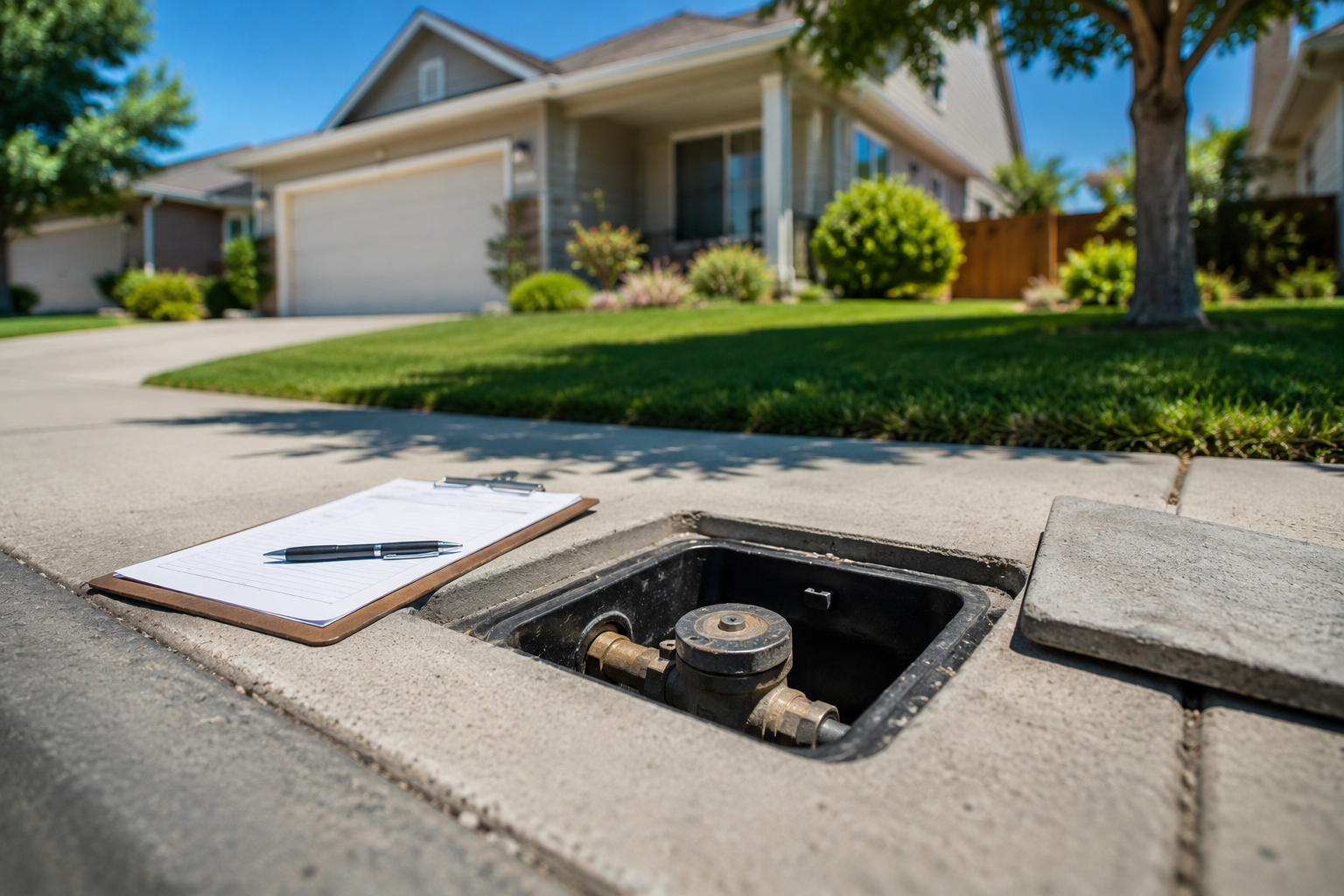
Inspectors need a working access point to run a camera through the line. If your property lacks a proper clean out, or the one you have is buried under landscaping or concrete, that alone can stall the inspection required for EBMUD certification. Installing or exposing a clean out ahead of time is a small step that keeps the process moving.
When the Fix Is Bigger Than a Repair
In some cases, the inspection reveals damage extensive enough that a spot repair won’t satisfy the certification requirement, and full sewer replacement is the only path to a passing result. While this is a larger expense, it’s still almost always cheaper — and far less stressful — than discovering the same problem mid-escrow and having to arrange emergency sewer repair while buyers wait on the other side of the transaction.
How Long Does the Certification Process Take?
Timelines vary by city, but sellers should budget at least two to three weeks between scheduling an inspection and receiving final sign-off on EBMUD certification. This window can stretch significantly if the initial inspection uncovers a sewer lateral issue that requires repair before the certificate can be issued — which is exactly why starting early matters more than almost any other step in the pre-listing process. According to EBMUD’s lateral compliance program, certification typically must be completed within a defined period before the property changes ownership, so sellers who wait until an offer is accepted often find themselves working against a hard deadline.
What Happens If You Skip It
Some sellers are tempted to let the buyer handle certification after close, but many cities require EBMUD certification and a sidewalk certificate to be completed before the sale is finalized, not after. Skipping this step can result in the transaction being held up in escrow, additional negotiation over repair credits, or in some cases the deal falling through entirely. For a deeper look at what triggers a lateral to fail this kind of inspection in the first place, see our guide on sewer lateral problems homeowners should catch.
The Bottom Line for Sellers
Treat your EBMUD certification and sidewalk certificate as part of your pre-listing checklist, not an afterthought. A proactive inspection protects your sewer lateral compliance, your sidewalk compliance, and — most importantly — your closing date.